
Among the various types of solar systems, grid tied solar panels are widely used, especially in areas with access to the electrical grid. Solar systems can be categorized into three main types based on their connection to the grid: grid tied solar panels , off-grid systems, and hybrid systems. Each system has unique advantages and is suitable for different environments and needs. This article will compare these three types of solar systems, helping you make the best choice for your needs.
Grid Tied Solar Panels
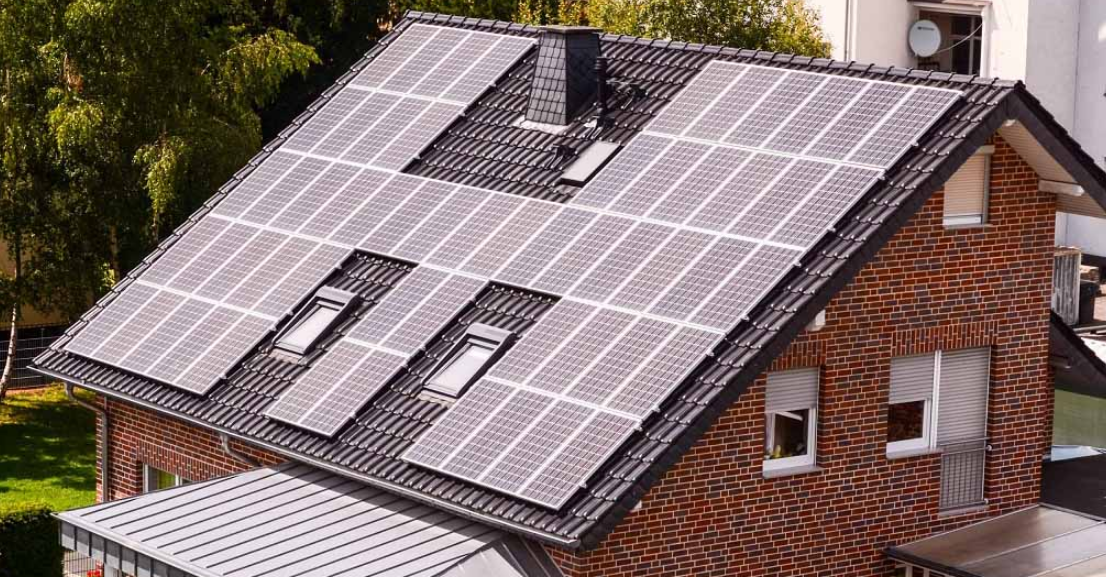
A grid tied solar panels (also known as a grid-connected system) is one of the most common types, especially in areas connected to the electrical grid. The system works by linking your solar power generation to the grid, allowing you to sell excess electricity back to the grid while also drawing electricity from the grid during nighttime or cloudy days.
(1) Advantages
1. Save on Electricity Bills: By selling excess power back to the grid, you can significantly reduce your electricity expenses.
2. No Need for Batteries: Unlike off-grid systems, a grid tied solar panels system doesn’t require expensive batteries for energy storage, reducing initial investment.
3. Environmentally Friendly: By reducing reliance on fossil fuels, a grid-tied solar panels system contributes to lowering carbon emissions.
(2) Disadvantages
1. Dependent on the Grid: If the power grid fails, the grid-tied solar panels system will also stop functioning.
2. Not Suitable for Remote Areas: A grid-tied solar panels system is not viable in areas where the electrical grid is unavailable.
(3) What Equipment Is Used in grid tied solar panels?
1. Solar Panels: These convert sunlight into electricity.
2. Inverters: These convert DC (direct current) power into AC (alternating current) power for use in homes and the grid.
3. Electric Meter: Measures the amount of electricity flowing to and from the grid, calculating the amount of electricity sold back.
(4) Best Uses for grid tied solar panels
grid tied solar panels are ideal for residential and commercial buildings, especially those located within grid-connected areas. They offer lower initial investment costs and provide a stable reduction in electricity bills over time.
Off-Grid Solar System
An off-grid solar system operates independently of the electrical grid. This type of system is fully self-reliant, using batteries to store solar power for use when the sun is not shining.
(1) Advantages
1. Complete Independence: No need for a grid connection, making it suitable for remote areas.
2. No Electricity Bills: Since you aren’t connected to the grid, you won’t incur electricity costs.
3. Energy Storage: Excess solar energy is stored in batteries for use at night or during cloudy weather.
(2) Disadvantages
1. Higher Initial Cost: Off-grid systems are more expensive due to the need for batteries, charge controllers, and a more complex setup.
2. Battery Maintenance: Batteries require regular maintenance and need to be replaced every few years, adding to long-term costs.
(3) What Equipment Is Used in Off-Grid Solar Systems?
1. Solar Panels: Capture sunlight and convert it into electricity.
2. Inverters: Convert DC power into AC power.
3. Batteries: Store excess solar energy for use when there is no sunlight.
4. Battery Management System: Ensures batteries are operating efficiently and safely.
(4) Best Uses for Off-Grid Solar Systems
Off-grid systems are ideal for remote areas where grid access is unavailable. They are also suitable for individuals or businesses that want to completely disconnect from the grid.
Hybrid Solar System
A hybrid solar system combines the benefits of both grid tied solar panels and off-grid systems, offering the flexibility to switch between grid-connected operation and battery backup during power outages.
(1) Advantages
1. Flexibility: Offers the option to operate in grid-tied or off-grid mode, depending on your needs.
2. Better Energy Management: The system allows you to store solar energy in batteries, which can be used during grid failures.
3. More Savings: By using stored solar power, you can better control your electricity consumption and save more.
(2) Disadvantages
1. Higher Initial Cost: The system requires both a connection to the grid and battery storage, making it more expensive than a grid tied solar panels system.
2. Battery Maintenance: Like off-grid systems, hybrid systems require battery storage, which needs regular maintenance and eventual replacement.
(3) What Equipment Is Used in Hybrid Solar Systems?
1. Solar Panels: Capture solar energy and convert it into electricity.
2. Inverters: Convert DC electricity to AC electricity.
3. Batteries: Store excess energy for use when the grid is down.
4. Battery Management System: Ensures the batteries are charged and maintained properly.
(4) Best Uses for Hybrid Solar Systems
Hybrid systems are suitable for homes and businesses that are connected to the grid but want the security of having backup power during grid failures. They are also ideal for people who want to reduce their dependence on the grid while benefiting from grid-connected savings.
How to Choose the Right Solar System for You
When selecting a solar system, consider the following factors:
1. Grid Connectivity: If your area is connected to the grid, a grid tied solar panels is a cost-effective option. If you're in a remote location, an off-grid system may be more appropriate.
2. Budget: Off-grid and hybrid systems require higher initial investments. If you have a limited budget, a grid tied solar panels system may be more affordable.
3. Energy Needs: Choose the system based on your energy consumption and whether you need battery storage for nighttime or cloudy day use.
Why You Can Trust Gokin Solar
At Gokin Solar, we adhere to the principles of local generation, local grid connection, local conversion, and local use. Our modular standard design solves common rooftop issues such as obstructions and corners, maximizing rooftop space usage and optimizing the efficiency of your solar installation. The energy produced can be used for residential consumption, with any surplus sold to the grid, benefiting both the environment and the green economy.
Conclusion
Whether you choose a grid tied solar panels, off-grid, or hybrid solar system, the decision depends on your specific needs and budget. Gokin Solar offers customized solar solutions tailored to your energy consumption, helping you save on electricity bills, reduce your carbon footprint, and enjoy clean, sustainable energy.